

Why Has My Football Progress Stalled? 7 Ways to Keep Improving
Football development isn't always a straight line.
You might spend months improving quickly, suddenly find yourself scoring more goals, beating defenders with confidence or becoming more comfortable on the ball - and then, seemingly out of nowhere, your progress slows down.
You aren't necessarily doing anything wrong.
Plateaus are a normal part of becoming a better footballer. The key is knowing how to respond when improvement starts to feel harder to see.
Here are seven ways to get your development moving again.
1. Identify What You Actually Need to Improve
One of the biggest mistakes players can make is trying to improve everything at once.
Instead, take a step back and ask yourself: What is the one area of my game that would make the biggest difference right now?
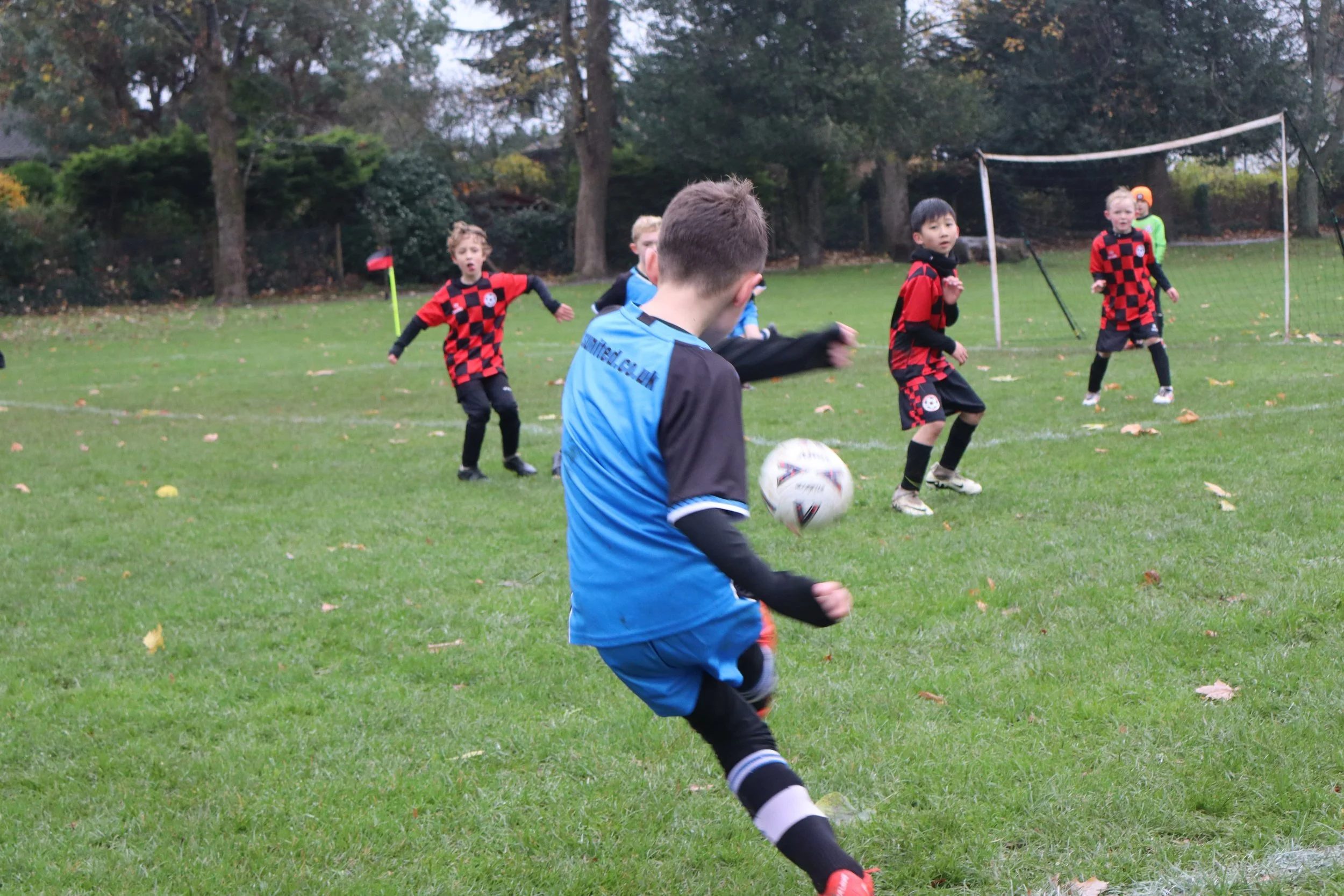
It could be:
Your first touch
Passing under pressure
Finishing
Dribbling
Your weaker foot
Speed and agility
Decision-making
Positioning
Confidence on the ball
Once you know what needs work, your training becomes much more purposeful.
2. Stop Only Practising What You're Already Good At
It's natural to spend more time practising skills that feel comfortable.
If you're confident with your right foot, for example, you might naturally keep using it. If you're good at taking players on, you might always look to dribble.
But development happens when you challenge yourself.
Spend time working on the areas that don't feel as natural. Make mistakes. Try things at a higher intensity. Put yourself in situations where you aren't guaranteed to succeed.
Being uncomfortable during training can be a sign that you're actually challenging yourself.
3. Focus on Quality, Not Just Quantity
More training doesn't automatically mean more improvement.
You could spend hours repeating the same drills without really thinking about what you're doing. Alternatively, a shorter session with a clear purpose can be far more productive.
Before you train, know what you're trying to improve.
Instead of simply thinking, “I'm going to practise football today,” try:
“Today I'm going to work on receiving the ball on my back foot and getting my first touch away from pressure.”
That small change can make your training much more intentional.
4. Make Your Training More Game-Like
Being able to perform a skill in an isolated drill is useful — but football doesn't happen in isolation.
In a match, you have opponents closing you down, teammates making runs, limited time and countless decisions to make.
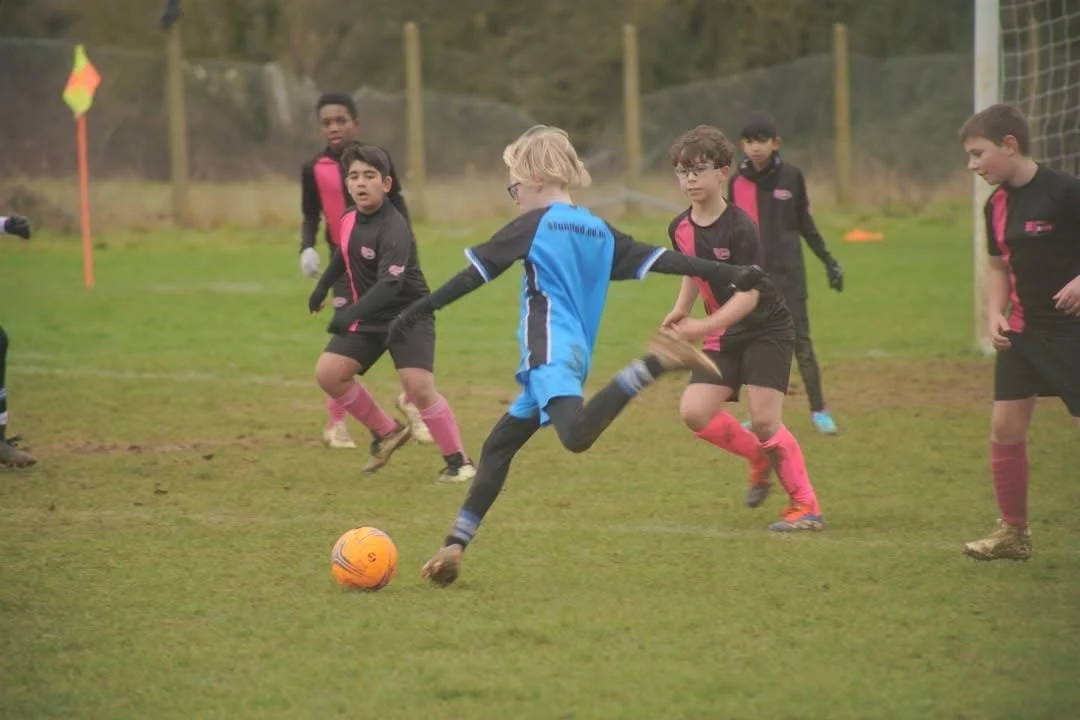
That's why players need opportunities to use their technical skills in realistic situations.
Small-sided games, 1v1s, possession exercises and pressure-based drills can all help players move from simply knowing a skill to being able to use it when it matters.
The goal isn't just to perform a technique perfectly.
It's to recognise when, where and why to use it.
5. Don't Ignore Your Weaker Foot
Developing your weaker foot can completely change the options available to you on the pitch.
Being comfortable using both feet can help you receive the ball, pass, turn, shoot and move in different directions without always needing to reposition yourself first.
You don't need to spend an entire training session using your weaker foot.
Start small.
Use it for simple passes, controlling the ball, dribbling through cones or finishing exercises. As your confidence improves, increase the difficulty.
Those small repetitions can add up over time.
6. Look Beyond Goals and Assists
It's easy to measure your progress through goals, assists and match results.
But those aren't the only signs that you're becoming a better footballer.
Maybe you're:
Losing the ball less often.
Making quicker decisions.
Scanning before receiving the ball.
Finding better positions.
Communicating more with teammates.
Recovering more quickly after making a mistake.
Attempting skills you previously avoided.
Playing with more confidence.
These improvements might not always appear on a scoreboard, but they are still important parts of your development.
7. Give Yourself Time
Perhaps the most important point is also the easiest to forget.
Football development takes time.
You won't improve every week. Some sessions will feel brilliant, while others will feel frustrating. You might suddenly struggle with something you thought you'd already mastered.
That doesn't mean you've stopped developing.
Sometimes progress is happening in the background before it becomes obvious in a match.
Instead of asking, “Why am I not getting better?”, try asking:
“What can I work on next?”
That shift in mindset can make a big difference.
Your Next Step
If your football progress has stalled, you don't necessarily need to train harder. You may simply need to train differently.
Identify a specific area to improve, challenge yourself outside your comfort zone, make your sessions more purposeful and give yourself opportunities to apply your skills in realistic game situations.
At SS United, our training is designed to help players continue developing at every stage of their football journey — from beginners taking their first steps into the game through to players looking to challenge themselves at a higher level.
Whether you're working on your technical ability, building confidence, improving your decision-making or preparing for competitive football, the most important thing is to keep learning.
Progress might not always be obvious, but that doesn't mean it's not happening.