

The Importance of Rest and Recovery for Young Footballers
In youth football, it’s easy to think that more training always means better results. While practice is essential, rest and recovery are just as important for a young player’s development, health and enjoyment of the game.
At SS United, we believe that helping players grow means supporting both their time on the pitch and their time off it.
Why Rest Is So Important for Young Players
Children and teenagers are still growing. Their muscles, bones and joints need time to recover after training and matches. Without proper rest, young footballers are more likely to experience:
Fatigue and reduced performance
Loss of motivation or enjoyment
Increased risk of injury
Difficulty concentrating at school and training
Rest allows the body to repair itself, adapt to training and come back stronger for the next session.
The Role of Sleep in Football Development
Sleep is one of the most powerful recovery tools a young player has.
During sleep, the body:
Repairs muscle tissue
Strengthens the immune system
Processes learning and skills practised in training
Supports growth and development
Young footballers should aim for 8–10 hours of sleep per night, especially on training and match days. A consistent bedtime routine can make a big difference to energy levels and focus.
Rest Days Matter Too
Rest doesn’t mean doing nothing forever — it means allowing the body time to reset.
Rest days:
Reduce the risk of overuse injuries
Help players feel mentally refreshed
Improve long-term performance and consistency
Light activity such as walking, stretching or relaxed play is fine, but intense training every day can do more harm than good.
Recovery Isn’t Just Physical
Recovery is also mental. Football should be fun, social and confidence-building.
Young players benefit from:
Time with friends and family
Enjoying other hobbies
Playing football informally without pressure
A happy, relaxed player is far more likely to stay motivated and develop a lifelong love for the game.
How Parents Can Support Healthy Recovery
Parents play a key role in helping young footballers recover properly. Simple steps include:
Encouraging good sleep habits
Providing balanced, nutritious meals
Allowing rest days without guilt
Watching for signs of fatigue or stress
Listening to a child’s body is just as important as listening to a coach.
Balance Is the Key to Long-Term Success
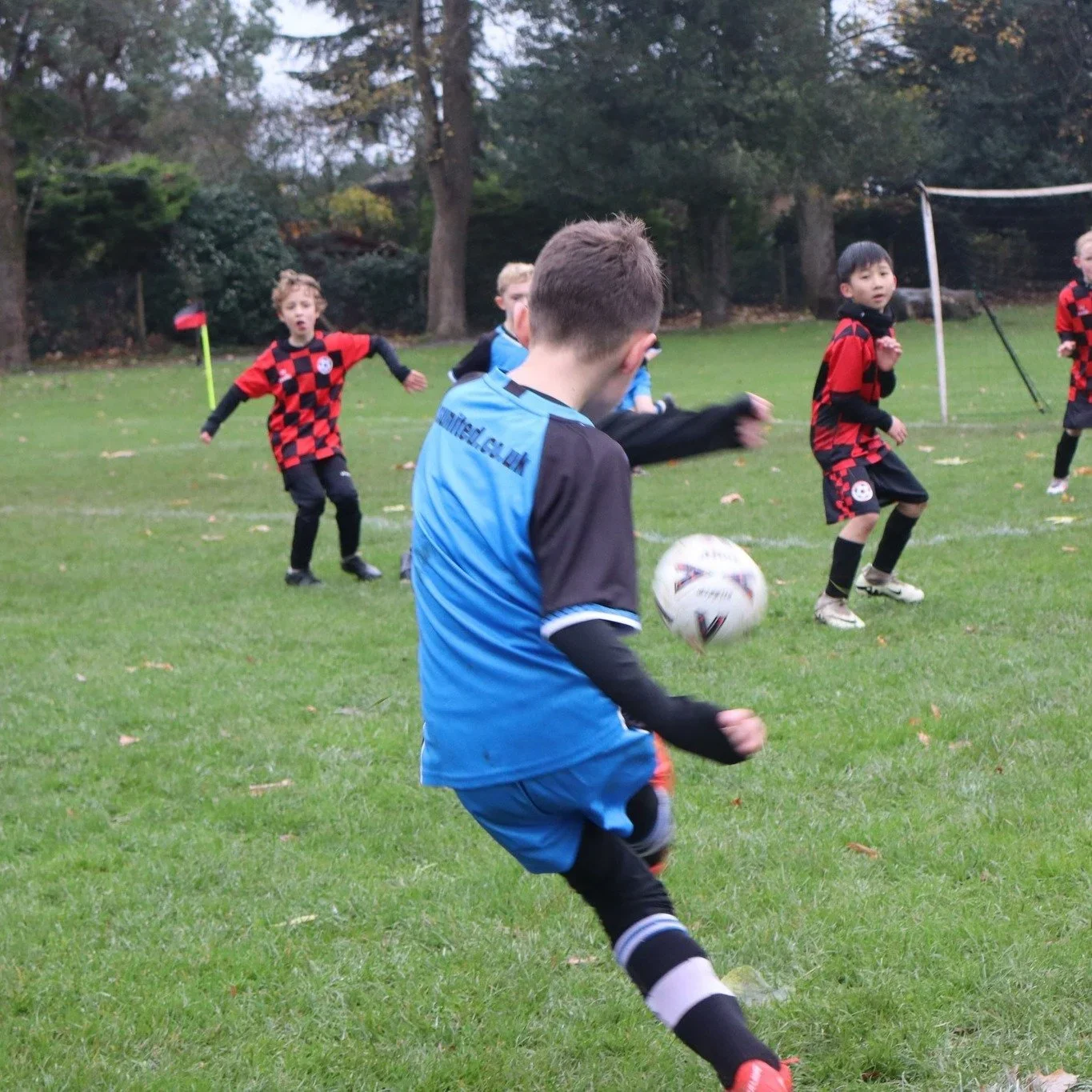
The goal of youth football isn’t just short-term results — it’s long-term development, confidence and enjoyment. When training is balanced with proper rest and recovery, young players are more likely to stay healthy, happy and excited to improve.
At SS United, we focus on developing players the right way — with care, balance and a love for the game.